[Blog Details]
Understanding Risk in Kidney Stone Treatment: What Research Teaches Us
[Blog Details]
Understanding Risk in Kidney Stone Treatment: What Research Teaches Us
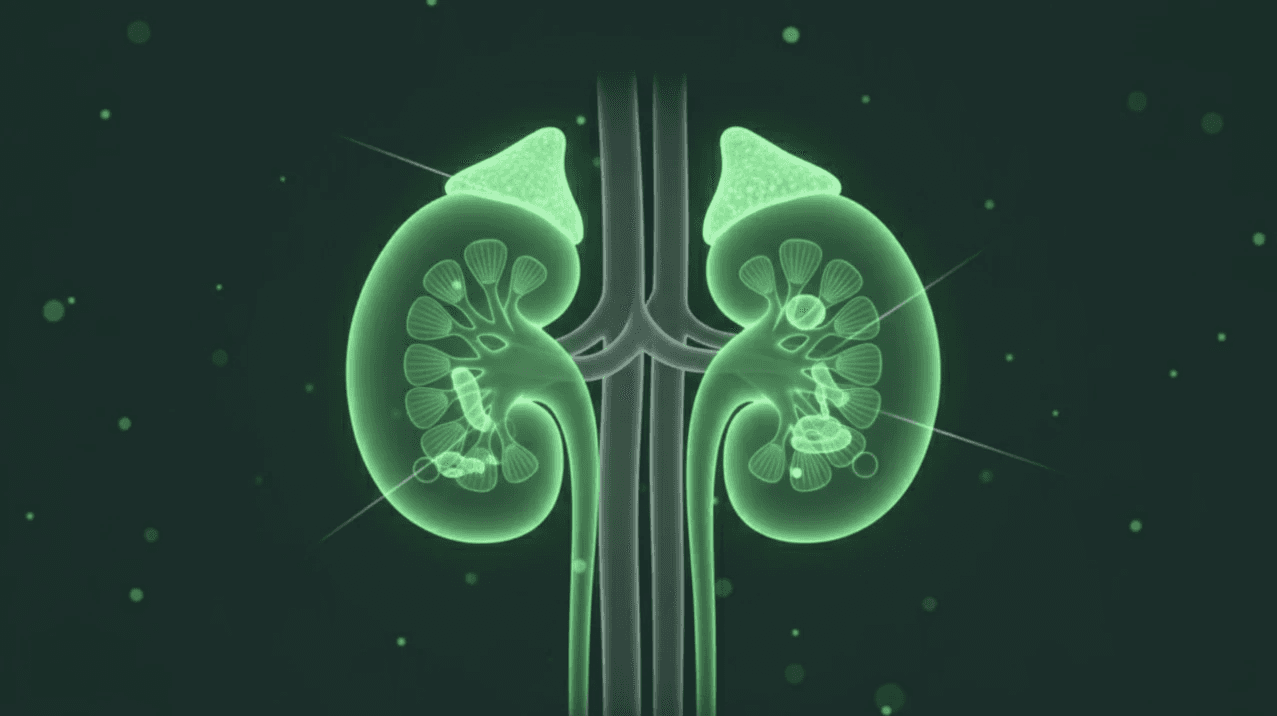
Kidney stone treatment is often discussed in terms of removing the stone alone.
While clearing the stone is important, research shows that understanding risk, safety, and recovery is just as critical to achieving good outcomes.
Modern stone care focuses not only on treatment success, but also on reducing complications and supporting faster recovery.
Stone Treatment Is More Than a Procedure
Procedures such as ureteroscopy and shockwave lithotripsy are highly effective.
However, outcomes depend on multiple factors—patient health, stone size and location, infection risk, and how care is delivered before and after surgery.
Research helps identify where risks arise and how they can be reduced.
Why Infection Risk Matters
One of the key areas of research in stone disease is the risk of infection following procedures.
Post-procedure infections can lead to longer hospital stays, delayed recovery, and in rare cases, serious illness. Identifying patients at higher risk allows clinicians to plan treatment more safely.
Preventing complications begins long before the procedure itself.
The Role of Care Pathways
Research shows that structured care pathways make a difference.
Careful assessment, appropriate antibiotics, timely intervention, and coordinated teamwork between clinicians all reduce complications and improve outcomes.
Well-designed systems support both patient safety and efficiency.
Individual Risk Is Not the Same for Everyone
Not all patients carry the same level of risk.
Factors such as previous infections, stone burden, kidney anatomy, and overall health influence how treatment is planned. Research helps move care away from a “one-size-fits-all” approach.
Personalised assessment leads to safer decisions and better recovery.
How Research Improves Patient Experience
Clinical research does not exist in isolation.
By studying outcomes, length of hospital stay, and recovery patterns, research informs real-world improvements in patient care—shorter admissions, fewer complications, and clearer follow-up plans.
This translates directly into better patient experience.
From Evidence to Everyday Care
The goal of research in stone disease is practical impact.
By understanding risks and refining treatment pathways, kidney stone care becomes safer, more predictable, and more patient-centered.
Evidence-led care ensures that treatment decisions are guided not only by technology, but by knowledge gained through careful study.