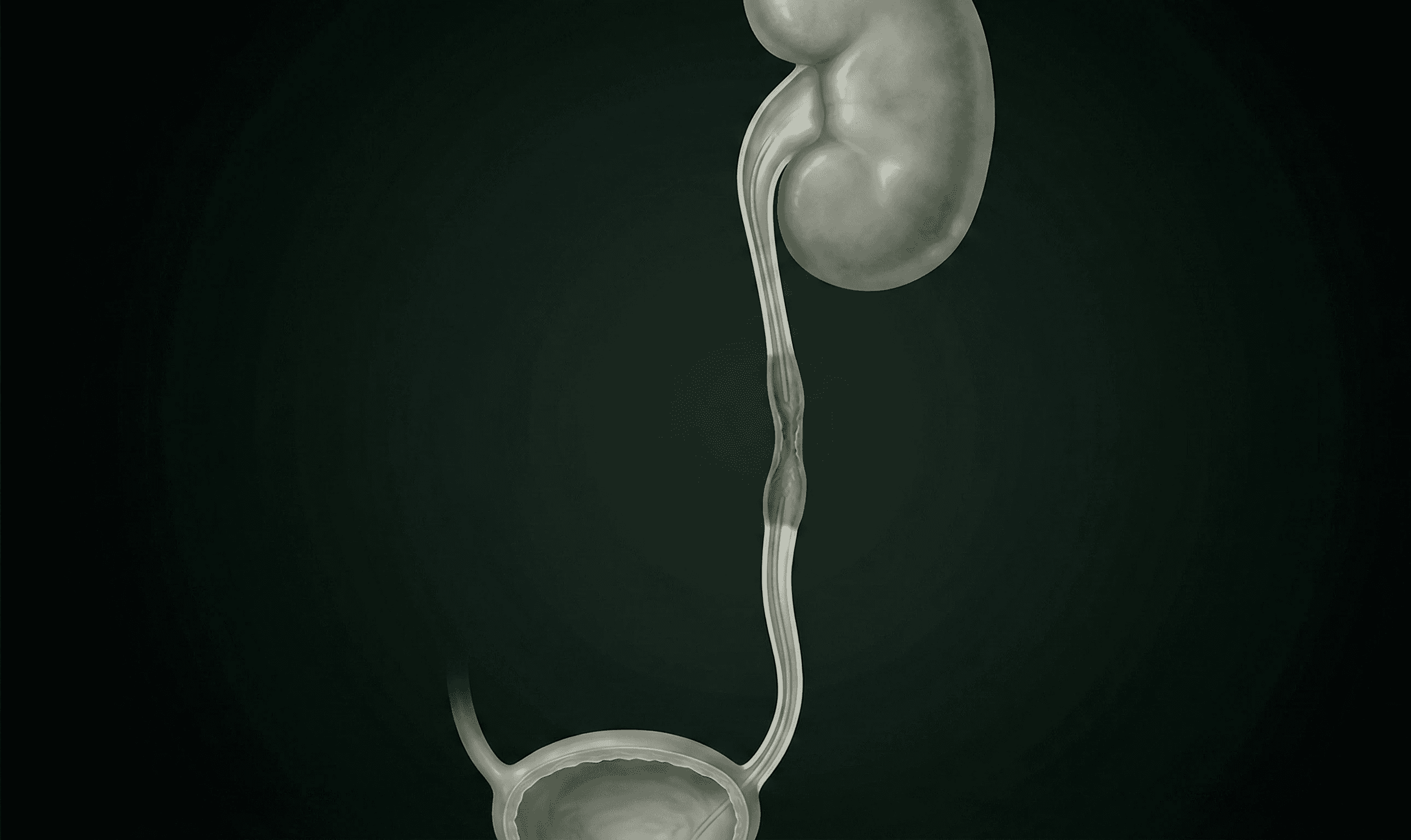
Understanding Ureteric Injury
The ureter is the narrow tube that carries urine from the kidney to the bladder. Injury to the ureter can occur during abdominal or pelvic surgery, urological procedures, or as a result of inflammation or scarring. When this happens, urine flow may be disrupted, leading to pain, infection, or kidney damage if not addressed promptly.
Dr Joe Philip has specialist expertise in the assessment and minimally invasive management of ureteric injuries, including complex and delayed presentations.
Why Specialist Care Is Important
Ureteric injuries can be challenging to diagnose and manage. Symptoms may be subtle at first, and delays in treatment can increase the risk of long-term problems.
Specialist care is important because:
The ureter is delicate and difficult to access
Injuries vary widely in location and severity
Management often requires careful planning rather than immediate major surgery
Preserving kidney function is a key priority
A Minimally Invasive, Thoughtful Approach
Not all ureteric injuries require open surgery. In many cases, minimally invasive endoscopic techniques can successfully realign or support healing of the ureter.
Dr Philip has developed a dedicated endoscopic ureteric injury repair service, designed to:
Reduce the need for major reconstructive surgery
Minimise patient discomfort and recovery time
Avoid long-term external drainage where possible
Provide durable, long-term solutions
This approach is particularly valuable for patients who have already undergone complex surgery or who are medically vulnerable.
Managing Complex and Referral-Level Cases
Some ureteric injuries are straightforward, while others are highly complex. Dr Philip frequently treats:
Injuries identified late after surgery
Complex strictures (narrowing of the ureter)
Patients with previous failed repairs
Cases requiring specialist stent-based solutions
His experience includes long-term follow-up of patients treated with advanced endoscopic techniques, helping ensure stability and kidney preservation over time.
What Patients Can Expect
Assessment usually involves imaging and endoscopic evaluation to understand the exact nature of the injury. Treatment is planned carefully and discussed in detail with the patient.
Many procedures are performed using minimally invasive techniques and may be carried out as day-case or short-stay treatments. Where internal support devices (such as specialised stents) are used, follow-up is structured and clearly explained.
Patients are supported throughout their recovery and given clear guidance on symptoms that should prompt review.
Reducing Anxiety and Uncertainty
Being told you have a ureteric injury can be worrying, especially when it follows another operation. Dr Philip places strong emphasis on:
Clear explanations
Honest discussion of options
Setting realistic expectations
Coordinating care with other specialists involved
This helps patients feel informed and supported during what can be a stressful time.
When to Seek Specialist Advice
You may benefit from specialist ureteric injury assessment if:
A ureteric injury has been identified or suspected
You have persistent pain, infection, or drainage issues after surgery
Previous repair attempts have not been successful
You have been advised that management is complex
Dr Philip’s goal is to provide expert, minimally invasive care that restores function, reduces long-term risk, and supports recovery with confidence
For Enquiries
Our team can help guide you on the right next steps.
Specialist-led care
Clear, honest advice
Clear Follow-up support