Anaesthesia & Recovery Care
Specialist anaesthetic care focused on comfort, safety, and smooth recovery before and after urological procedures.
Anaesthesia & Recovery Care
Specialist anaesthetic care focused on comfort, safety, and smooth recovery before and after urological procedures.
What is this care approach?
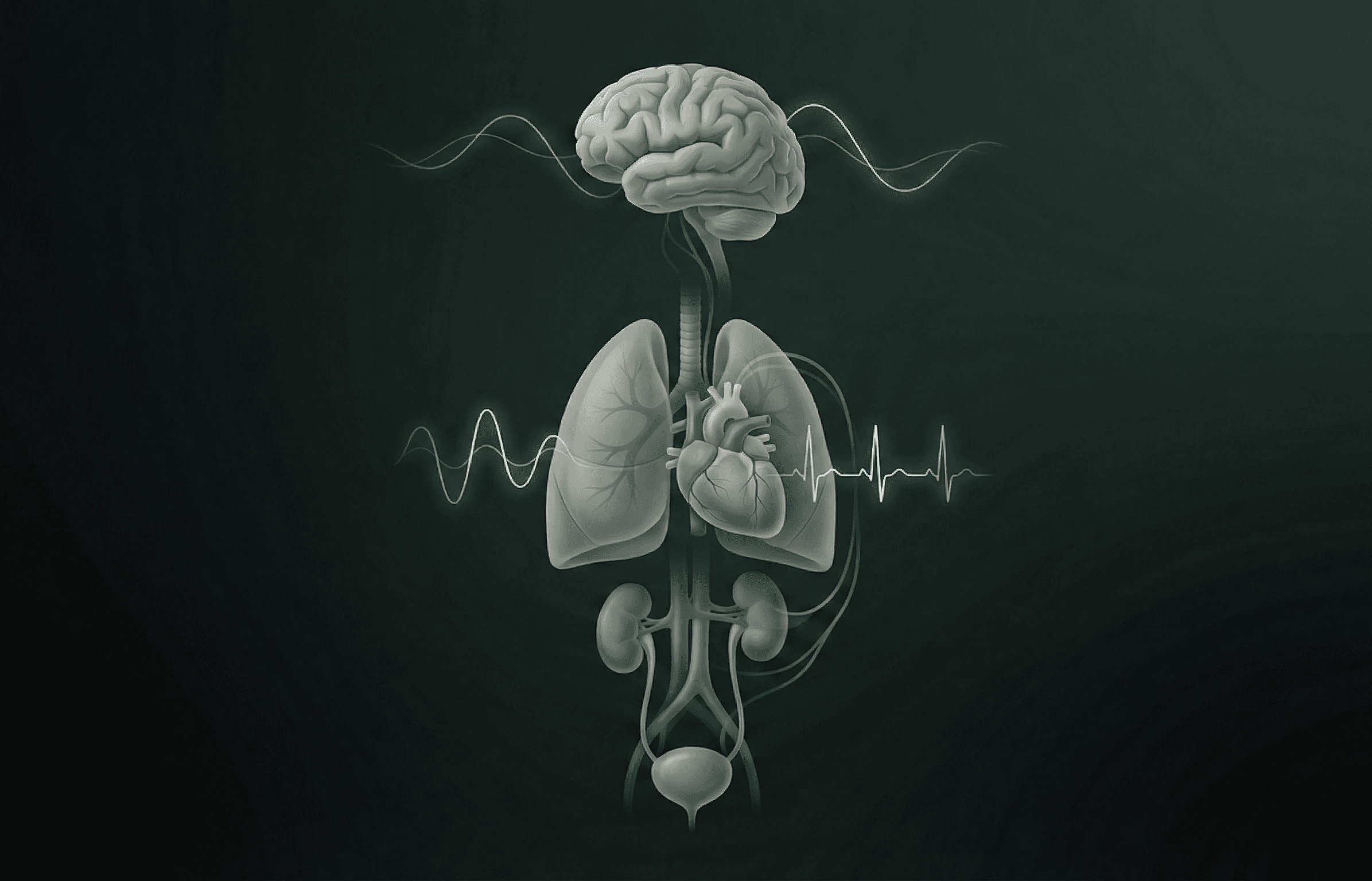
Anaesthesia and recovery care are an integral part of every urological procedure. The aim is to ensure procedures are performed safely, comfortably, and with minimal stress, while supporting smooth recovery afterwards. Care is delivered in close collaboration with experienced Consultant Anaesthetists who specialise in peri-operative management.
What conditions and procedures does this apply to?
Anaesthetic care applies to all urological procedures, including:
Stone treatments (ESWL, ureteroscopy, PCNL)
Endoscopic procedures of the bladder and urethra
Prostate surgery such as TURP
Ureteric injury repair
Penile and scrotal surgery
Why is anaesthesia recommended?
Most urological procedures are performed most smoothly and safely under light general anaesthesia, allowing complete comfort and optimal surgical conditions. In certain situations, local or regional anaesthesia may be more appropriate depending on the procedure or a patient’s medical background. These options are discussed in advance to ensure the safest and most suitable plan.
Sedation may be used alongside local or regional anaesthesia to help patients remain relaxed and comfortable throughout the procedure.
How is anaesthetic care delivered?
Before surgery, the anaesthetist meets with the patient to:
Discuss anaesthetic options
Review medical history and medications
Answer questions or address anxieties
During the procedure, the anaesthetist remains responsible for comfort, monitoring, and safety. After surgery, patients are cared for by specialist recovery nurses who focus on comfort, pain control, and early recovery before returning to the ward.
Anaesthesia, pain control & recovery experience
The aim is for patients to wake with little or no pain.
Pain relief is tailored to the individual and procedure
A range of pain-relieving medications is available
Clear instructions and medications are provided for use at home
The anaesthetist reviews patients after surgery to ensure comfort
Post-operative nausea or sickness depends on factors such as age, type of surgery, and medications used. Risk is assessed in advance, and anaesthetic techniques are adjusted to minimise this wherever possible. Most patients do not experience significant sickness.
Specialist expertise & patient safety
Anaesthetic care is provided by experienced Consultant Anaesthetists with many years of practice in major teaching hospitals. This expertise supports safe surgery, effective pain control, and prompt recovery, particularly for patients undergoing more complex or prolonged procedures.
Preparing for anaesthesia & next steps
Patients are advised to:
Follow fasting instructions carefully
Stop smoking if possible
Share full medical history and medication details in advance
These steps help make anaesthesia safer, more comfortable, and support quicker recovery. Patients are guided through the process from pre-operative preparation to post-operative care, with clear communication at every stage.
We’re Here to Help
Get clear guidance and support from Dr Philip’s team.
Experienced clinical team
Patient-centred approach
Clear next steps
[Clinical PROCEDURES]
Explore More Procedures
Ureteroscopy & Uretero-renoscopy
Minimally invasive telescopic treatment used to diagnose and treat stones, blockages, and abnormalities in the ureter and kidney.
Read More
Percutaneous Nephrolithotomy (PCNL)
A keyhole surgical procedure designed to safely remove large or complex kidney stones.
Read More
Shock Wave Lithotripsy [ESWL]
A non-surgical treatment that uses focused shock waves to break kidney or ureteric stones into smaller fragments.
Read More